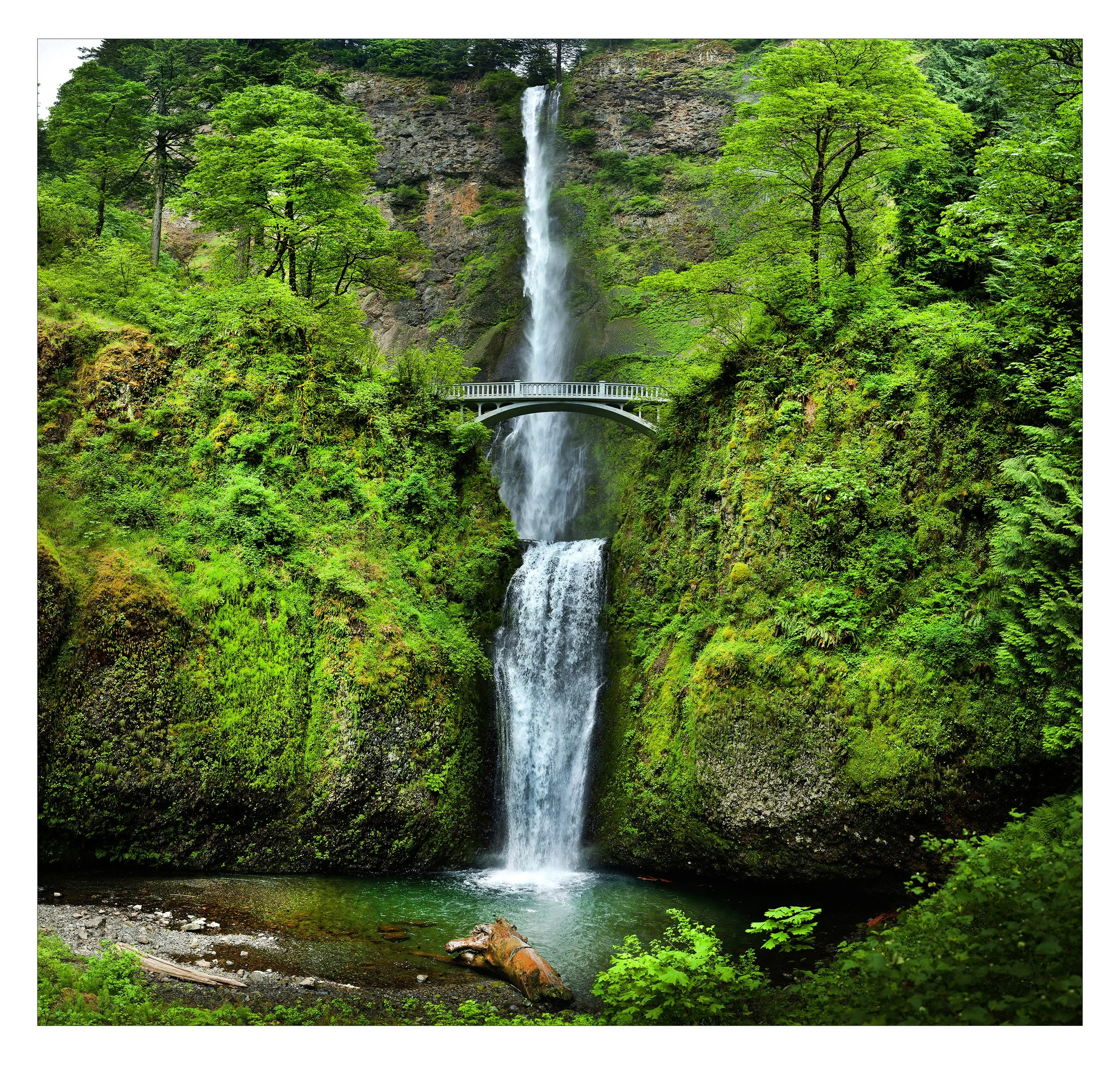
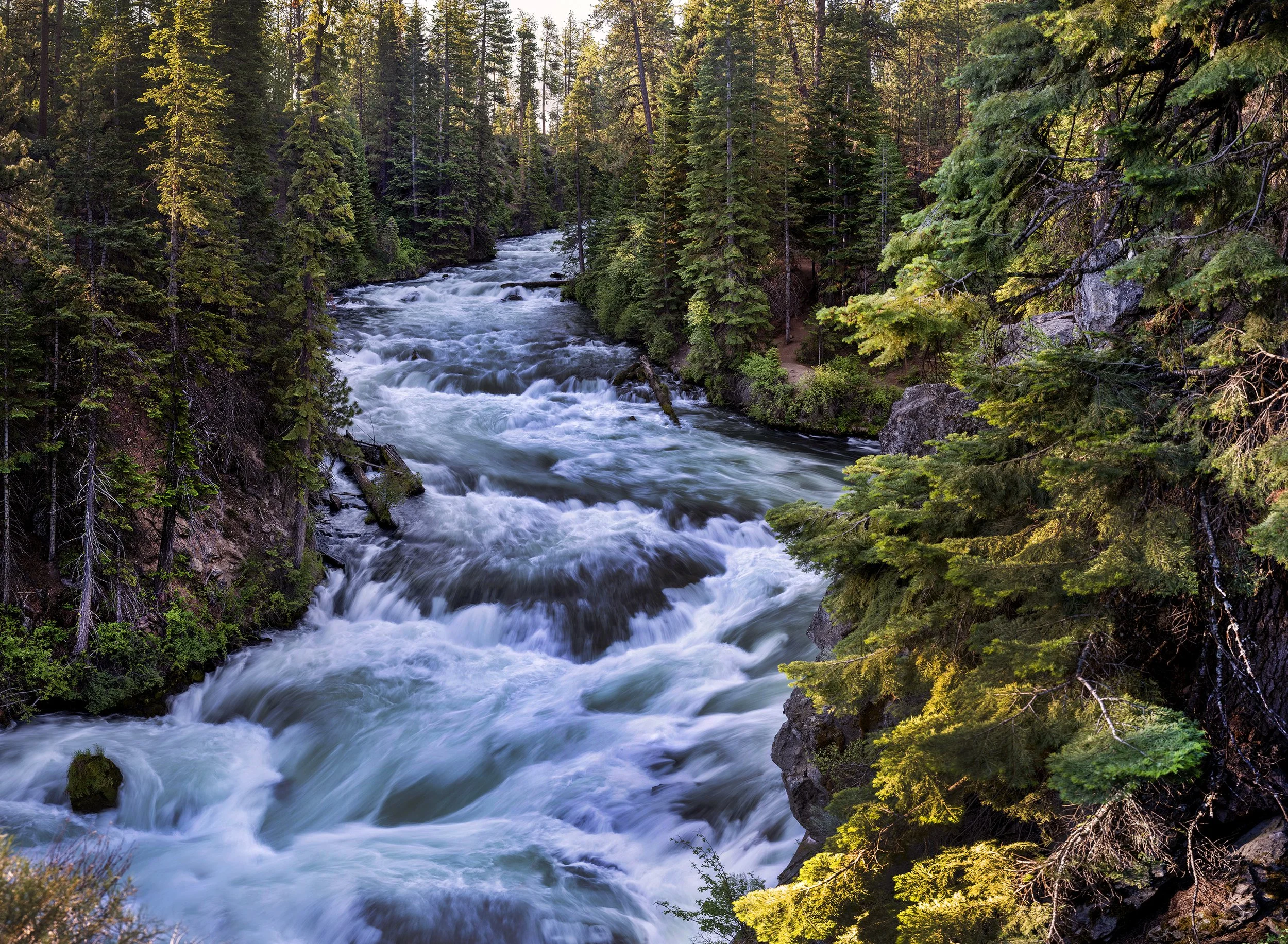
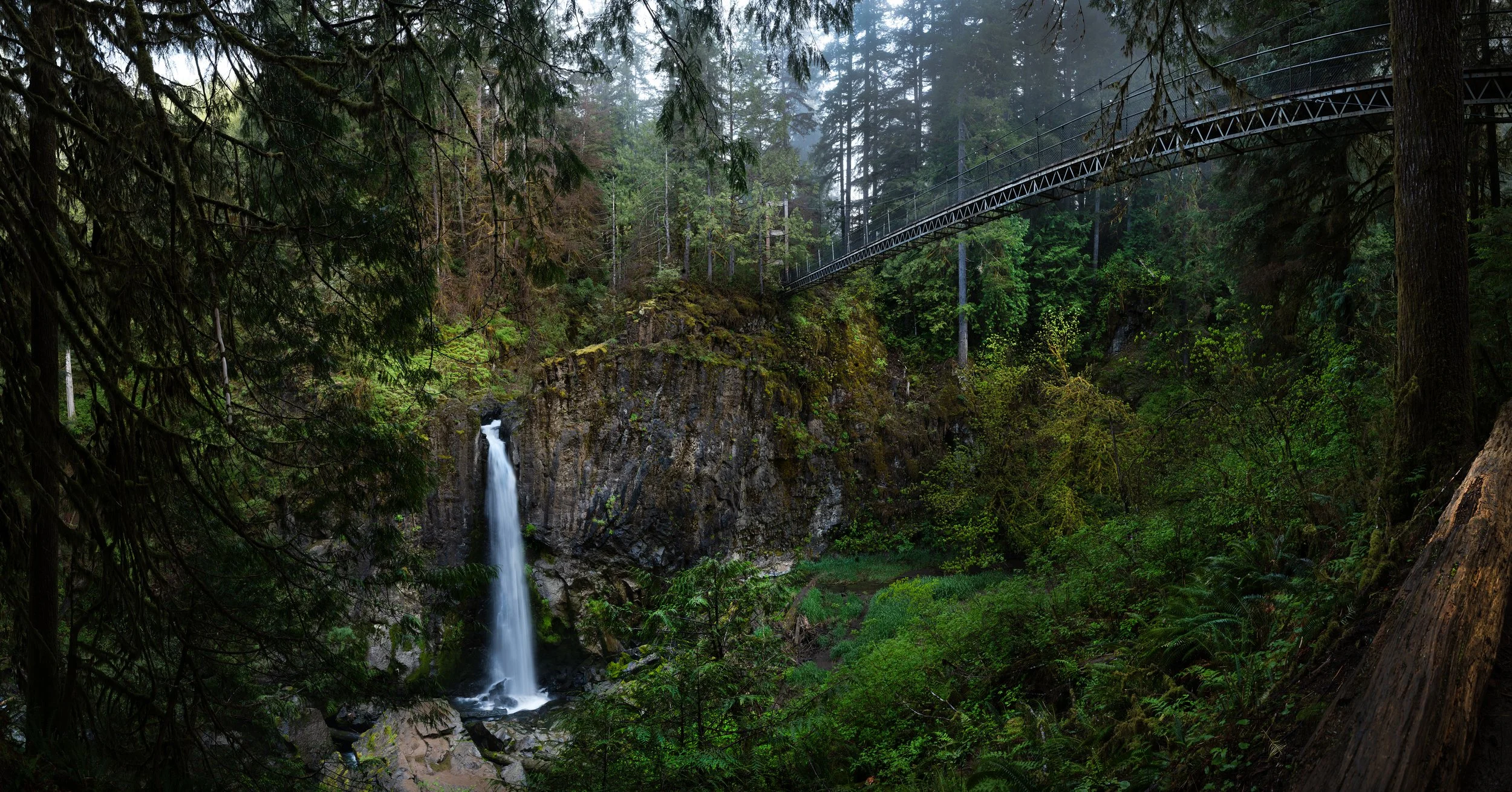
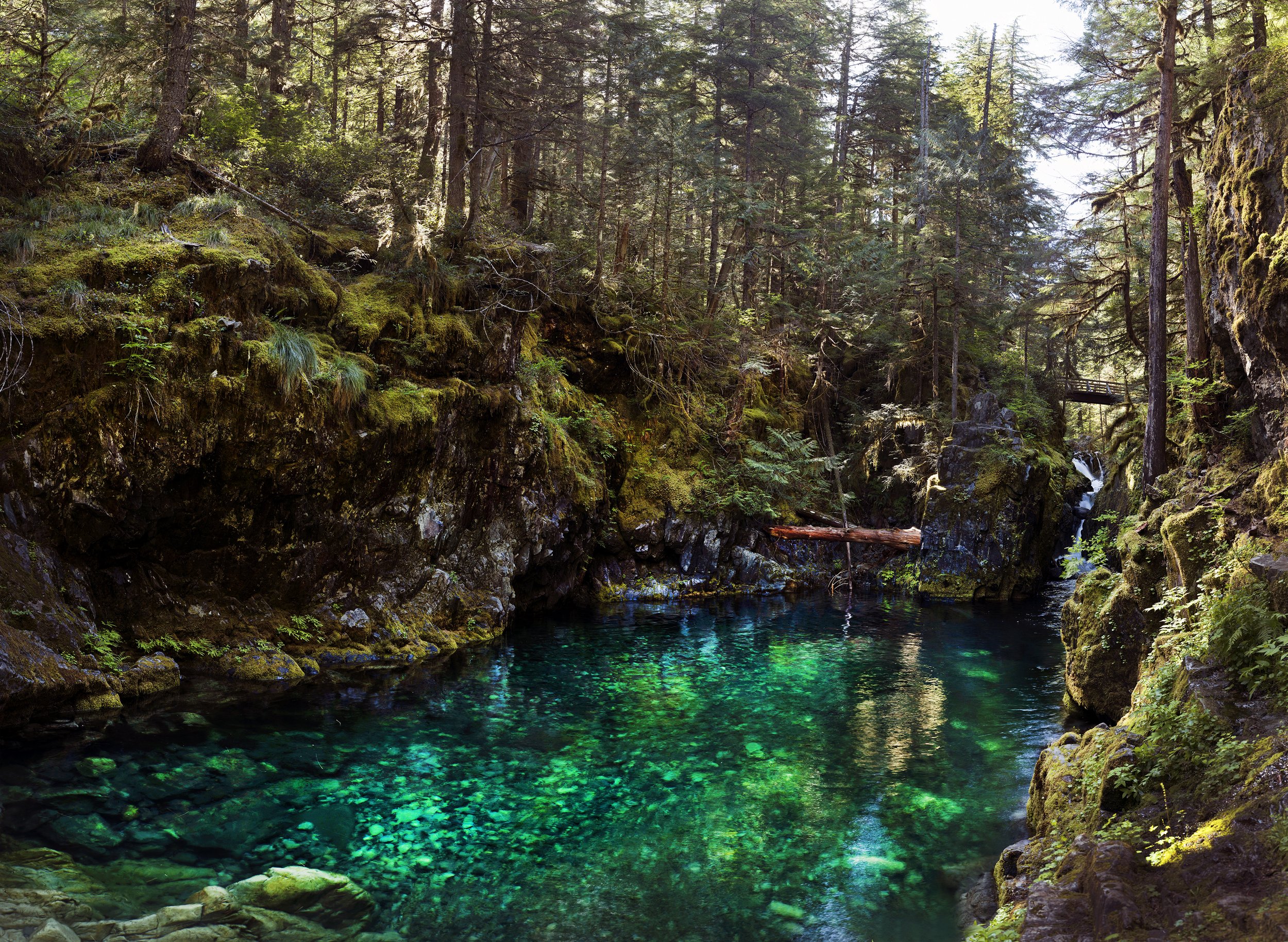
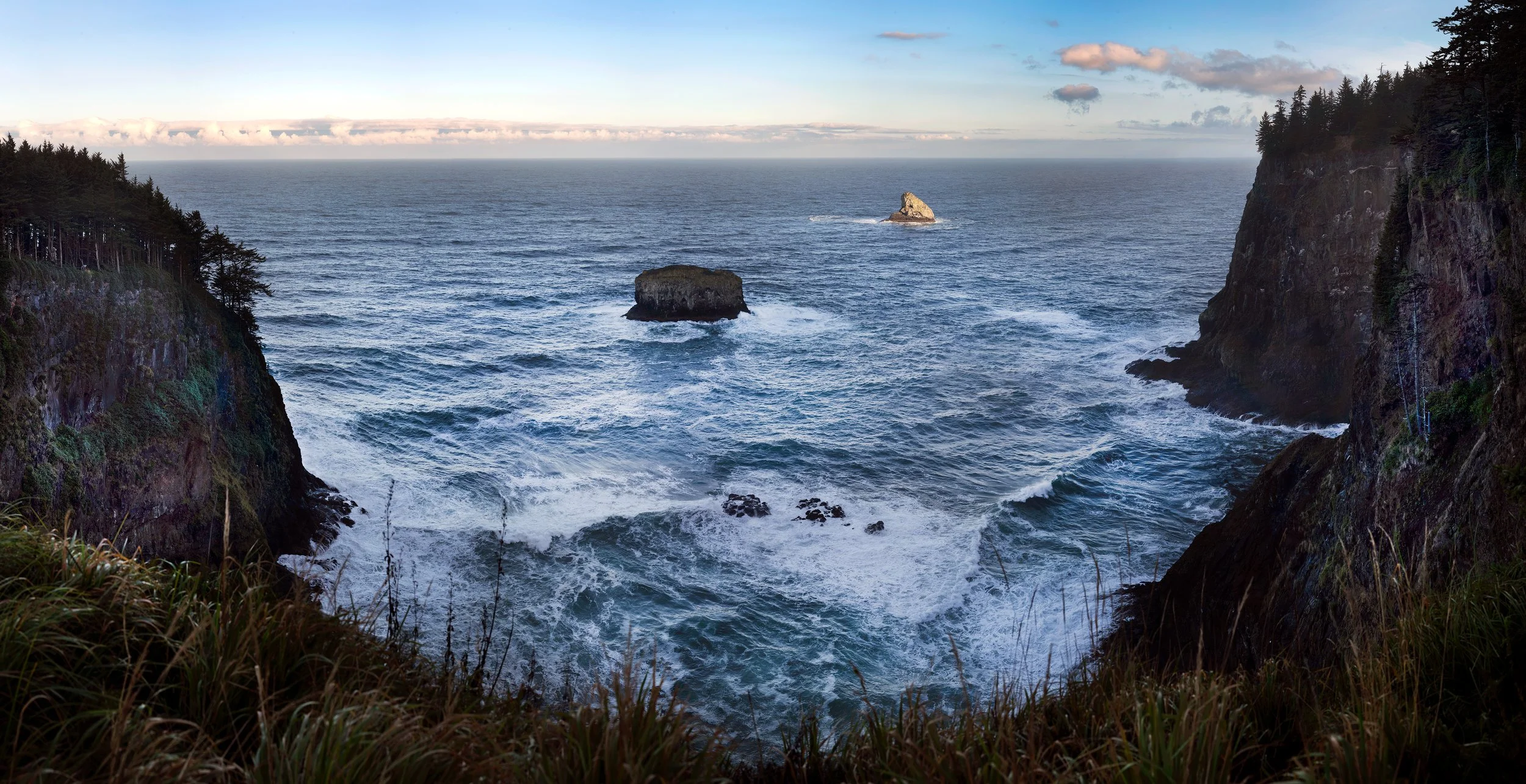
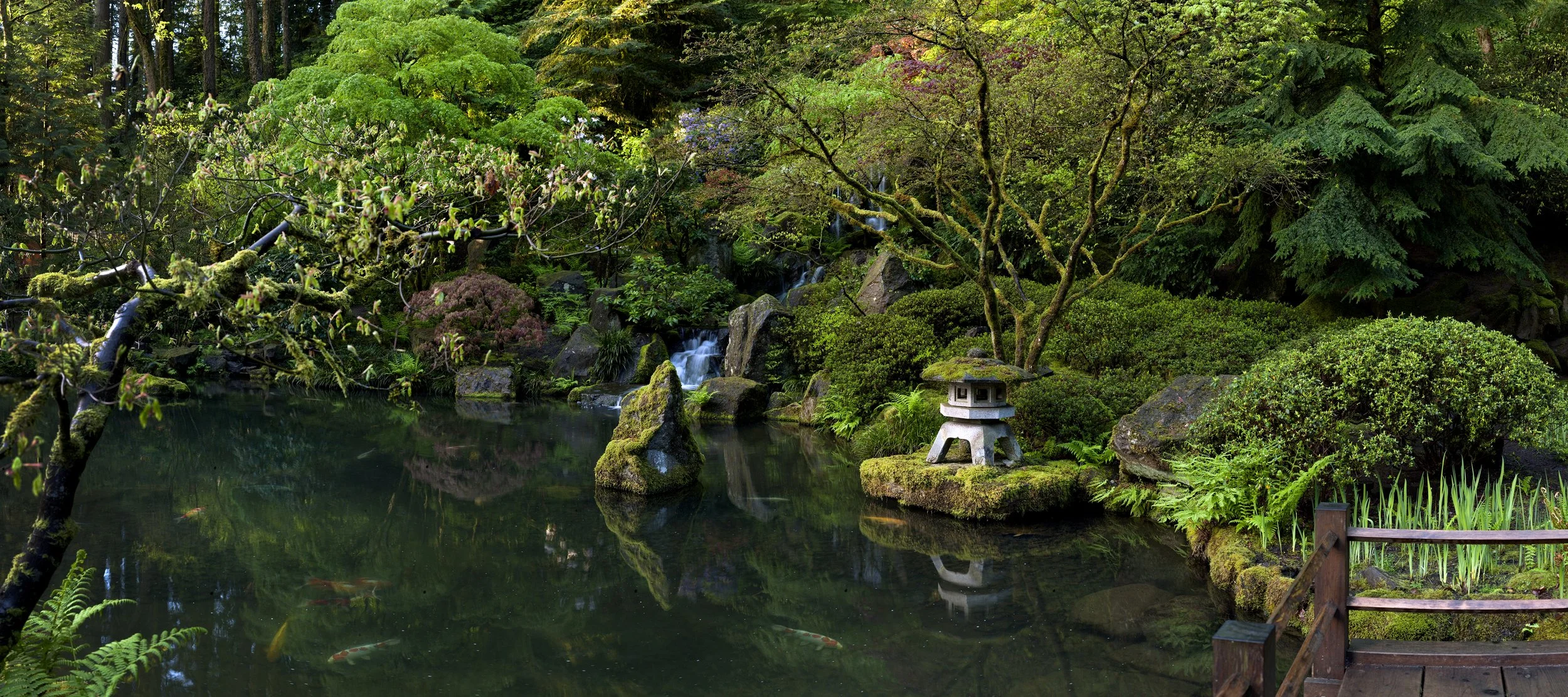
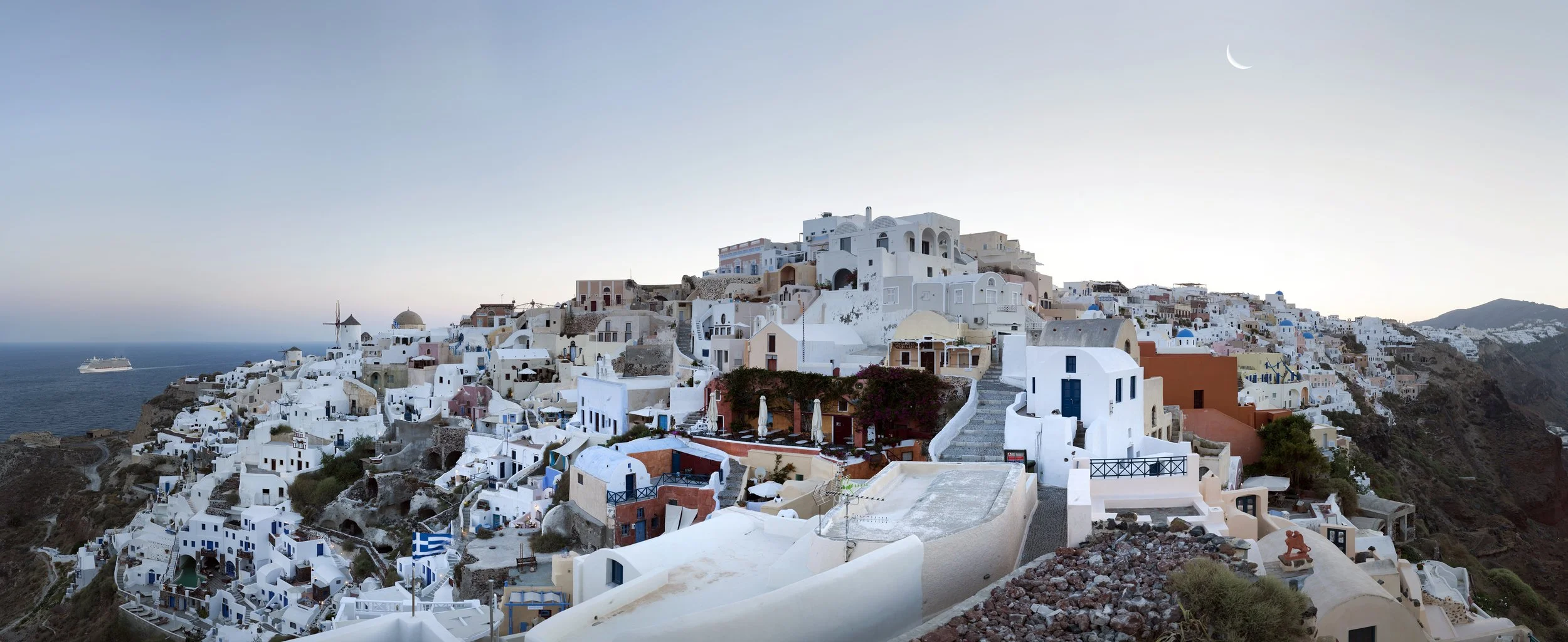
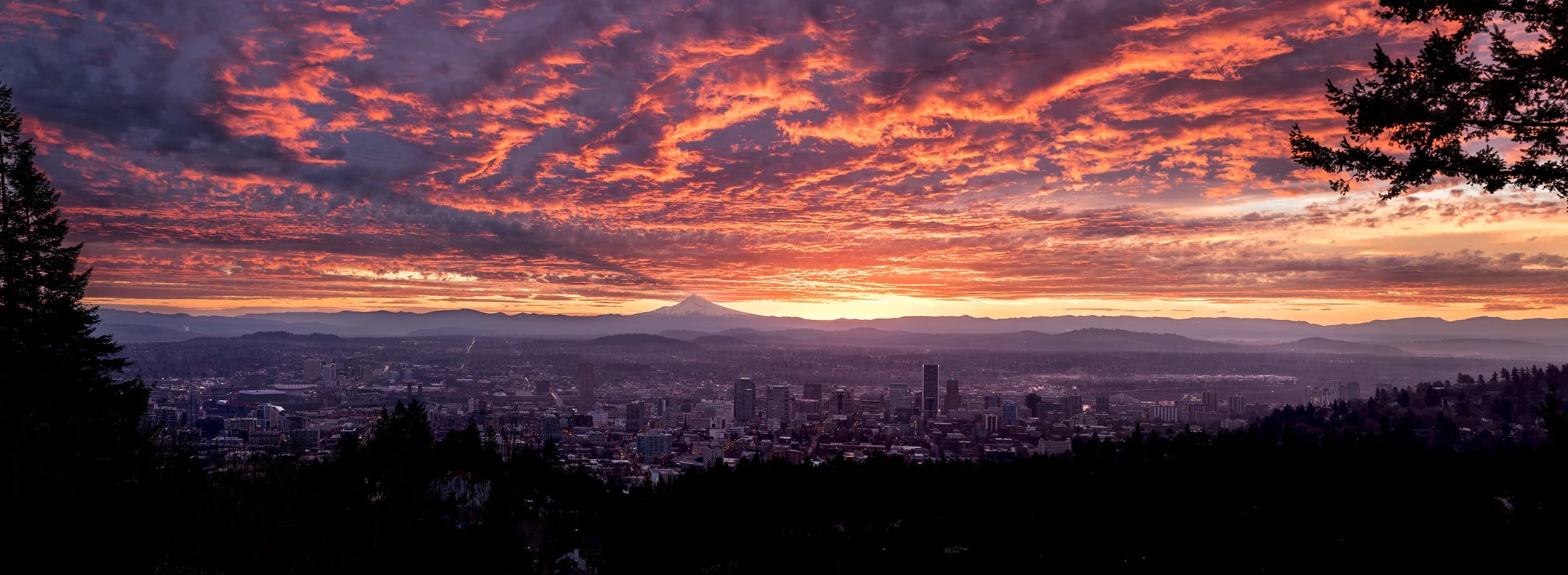
Large format images
Prints
Printing these images operates on two distinct but equally important levels—practical display and true, full-resolution impact. On one hand, they can be produced at sizes compatible with most traditional fine-art printers. On the other, they reveal their full potential when printed at the scale dictated by their native resolution. Because each image is constructed from multiple full-frame captures, the final resolution scales dramatically—multiplying the camera’s sensor resolution by the number of frames used. The result is imagery that doesn’t just enlarge—it expands in detail, presence, and physical experience.
Within this dual approach, a few key possibilities emerge:
Gallery-ready prints at standard sizes
For collectors and exhibitions, images can be rendered at conventional dimensions (e.g., 24"–60" wide) while preserving exceptional clarity and tonal depth.Monumental prints at native resolution
When printed at their full scale, these works become immersive environments—such as pieces from the Farm Portrait series reaching 10 to 14 feet wide, where every detail remains crisp even up close.Flexible scaling without quality loss
Because of the composite capture process, the images maintain integrity across a wide range of sizes—from intimate prints to architectural installations—without the degradation typical of single-frame enlargements.
This approach transforms printing from a simple output decision into a creative extension of the work itself—where scale becomes part of the storytelling.
mounting
Mounting and framing these images follow a similar philosophy to printing—balancing accessibility with the opportunity for fully customized, large-scale presentation. Standard sizes align with established framing conventions and pricing structures, making them straightforward to produce and install. In contrast, oversized or non-standard works invite a more tailored approach, where each piece is considered individually to ensure both structural integrity and visual impact at scale.
Within this framework, there are a few key considerations:
Standard framing for conventional sizes
Works under approximately 44” on the shortest edge and 96” on the longest can be mounted and framed using widely available materials and methods, keeping costs predictable and turnaround times efficient.Custom solutions for oversized works
Larger or uniquely proportioned pieces—such as multi-foot panoramic prints—require bespoke framing, reinforced mounting, and often specialized fabrication to safely support and present the work.Material and presentation flexibility
Depending on the scale and setting, options can range from traditional framed prints under glass to contemporary approaches like face-mounting to acrylic or aluminum backing—each chosen to enhance durability, clarity, and the viewing experience.
In this way, mounting and framing become more than finishing steps—they are integral to how the work is experienced, particularly as scale increases.